
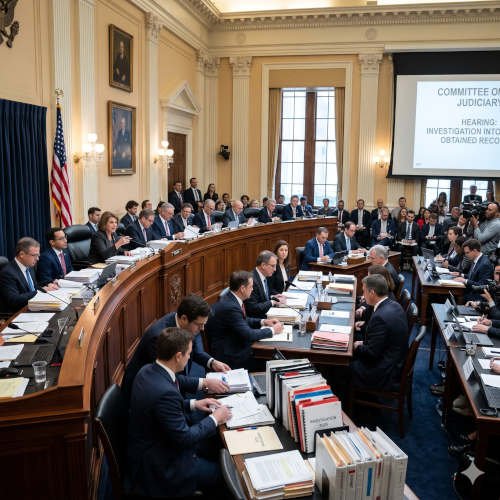
Democrats plan to continue investigating the Jeffrey Epstein files when the new Congress takes office in January 2027, signaling that the controversy surrounding the convicted sex offender and the federal government’s handling of his case is far from over.
The announcement follows the release of a 137-page report by the Republican-led House Oversight Committee on November 10, 2026. The report examined how Epstein and his longtime associate Ghislaine Maxwell avoided accountability for years and identified serious failures across government agencies and institutions.
However, Democrats say the investigation remains incomplete. They argue that important questions about the Department of Justice’s handling of Epstein-related records, the treatment of survivors, and the alleged involvement of powerful associates still need answers.
Representative Robert Garcia, the leading Democrat on the House Oversight Committee and a likely future chairman, has promised public hearings when Democrats take control of the committee. The planned investigations could bring renewed attention to the Epstein files, government transparency, and accountability for people connected to the case.
Democrats Promise New Epstein Files Hearings in 2027
Democrats are preparing to use their incoming House majority to expand congressional oversight of the Epstein investigation. Their immediate priority is to examine issues they believe were not adequately addressed during the Republican-led committee’s 15-month inquiry.
Garcia has repeatedly criticized the absence of public hearings on Epstein during the Republican-led investigation. He argues that private interviews and document reviews alone are not enough to provide survivors and the public with meaningful accountability.
In a November 10 statement, Garcia described the Republican report as incomplete and said Democrats would pursue public hearings that give survivors an opportunity to be heard. He also said lawmakers intend to ask difficult questions of powerful individuals who associated with Epstein.
The planned hearings could examine what federal authorities knew about Epstein’s activities, why earlier investigations failed, and whether additional individuals should face scrutiny.
Garcia has also indicated that Democrats want answers from senior Justice Department officials, including Attorney General Todd Blanche, about the handling and release of Epstein-related documents.
These plans are part of a broader Democratic oversight agenda following the 2026 midterm elections. With a new majority, Democrats expect to have greater control over committee investigations, hearing schedules, and requests for government records.
What the Republican House Oversight Report Revealed
The House Oversight Committee released its 137-page report on November 10 after a 15-month investigation into the federal government’s handling of the Epstein and Maxwell cases.
According to the committee, the inquiry included 19 transcribed interviews and depositions, a review of financial records, and documents obtained from the Department of Justice and Epstein’s estate.
The report concluded that Epstein and Maxwell benefited from serious failures involving federal investigators, prosecutors, financial institutions, and other organizations.
It examined the controversial 2007 non-prosecution agreement reached by federal prosecutors in Florida. That agreement allowed Epstein to avoid federal prosecution at the time in exchange for pleading guilty to state charges.
The committee said the agreement and Epstein’s subsequent treatment reflected major failures in the justice system. Epstein received an 18-month sentence, extensive work-release privileges, and was released early.
The report also criticized the failure to adequately inform survivors about the agreement, arguing that this undermined their ability to pursue civil claims and speak publicly about the crimes.
Another section examined Epstein’s death in federal custody in August 2019. The committee cited staffing shortages and operational failures at the Metropolitan Correctional Center in New York, including missed security rounds and inmate counts.
The report argued that these failures contributed to the lack of adequate supervision before Epstein was found dead.
Why Democrats Say the Investigation Is Incomplete
Although Republicans described their report as the conclusion of a major investigation, Democrats rejected that assessment.
Garcia said the committee’s review did not include public hearings and failed to address several important questions. He also accused the Justice Department of withholding more than 2.5 million pages of documents, a claim that remains a central point of disagreement between Democrats and the department.
Democrats have also raised questions about the handling of Ghislaine Maxwell’s transfer and the role of senior Justice Department officials in decisions concerning the Epstein records.
Their criticism focuses on whether the government has provided a complete and transparent account of the case.
The Republican report, meanwhile, recommended that the Justice Department interview or re-interview key witnesses and further investigate allegations involving Epstein’s associates. It also called for survivors to receive access to their personal records.
This creates some common ground between the parties. Both the Republican report and Democratic lawmakers have called for additional attention to survivors and further examination of potential wrongdoing.
However, they disagree about whether the Republican investigation adequately addressed the central issues and whether the findings provide a sufficient basis for closing the congressional inquiry.
Epstein Files Transparency Act Remains a Major Issue
The Epstein Files Transparency Act is expected to remain a major focus of the upcoming investigations.
President Donald Trump signed the legislation into law on November 19, 2025. It requires the Justice Department to release records relating to Epstein, subject to specific legal protections and exceptions.
The law was intended to increase public access to government records connected to Epstein and the investigations into his activities.
On January 30, 2026, the Justice Department announced that it had published more than 3 million additional pages responsive to the law. The department said the combined production, including earlier releases, totaled nearly 3.5 million pages. It also reported releasing more than 2,000 videos and 180,000 images.
The department said the material came from several sources, including federal investigations, criminal cases involving Epstein and Maxwell, and an investigation into Epstein’s death.
However, the release process has faced criticism over redactions, missing information, and the protection of survivors’ identities.
The House Oversight Committee’s November report criticized the Justice Department for deficient redactions that exposed sensitive personal information belonging to survivors. It also questioned the department’s communication about the document releases.
Democrats want to examine whether the department has fully complied with the law and whether additional records should be made public.
The issue is complicated because transparency must be balanced with privacy protections. Releasing sensitive personal information could expose survivors to further harm, while excessive withholding could prevent the public from understanding how government agencies handled the case.
What Could Happen When Democrats Take Control
The new Congress is expected to give Democrats greater authority to conduct investigations and demand answers from federal officials.
Garcia, who is expected to become chairman of the House Oversight Committee, has identified the Epstein investigation as one of his priorities.
Public hearings could become a major part of the next phase. Lawmakers may seek testimony from Justice Department officials, request additional records, and invite survivors to share their experiences.
Democrats have also discussed seeking testimony from individuals connected to the government’s handling of Epstein-related documents. Any subpoenas or hearings will depend on committee decisions and the legal procedures involved.
The new majority could also review whether federal agencies followed the requirements of the Epstein Files Transparency Act and properly protected survivors during the release process.
Congressional oversight does not automatically lead to criminal charges. Lawmakers can investigate government conduct, request documents, and refer potential wrongdoing to appropriate authorities. Decisions about criminal prosecution remain with law enforcement agencies and prosecutors.
That distinction will be important as the investigation moves forward. Political allegations, witness statements, and documented evidence must be evaluated separately.
Survivors Remain at the Center of the Investigation
The renewed congressional focus also places survivors of Epstein’s abuse at the center of the debate.
The Republican report recommended that the Justice Department create an appropriate process for survivors and their representatives to access personal files in unredacted form. It also called for further investigation of allegations involving Epstein associates.
The report highlighted the use of nondisclosure agreements, arguing that such agreements were used to silence survivors and conceal criminal activity.
It recommended passage of the Survivor’s Voice Protection Act, legislation introduced by Oversight Committee Chairman James Comer. The proposal is intended to protect survivors and witnesses from being prevented from speaking about sexual abuse because of confidentiality agreements.
Democrats have also said future hearings should provide survivors with an opportunity to speak publicly, while ensuring their privacy and safety are respected.
For survivors, the central questions extend beyond the release of documents. They include whether authorities properly investigated allegations, whether people who helped Epstein can be held accountable, and whether institutions failed to act on warning signs.
Political Disputes Could Shape the Next Phase
The Epstein investigation has become a significant political issue in Washington, particularly because the case involves questions about powerful individuals and government accountability.
Republicans have argued that their report documents the failures that allowed Epstein and Maxwell to evade justice. The report also stated that the committee did not identify evidence implicating President Donald Trump in criminal activity related to Epstein and Maxwell.
Democrats have challenged the report’s completeness and said they intend to ask further questions about powerful individuals who associated with Epstein, including Trump.
It is important to distinguish political scrutiny from proof of wrongdoing. A person’s appearance in records, social association with Epstein, or mention during an investigation does not by itself establish criminal conduct.
Any allegation involving a specific individual requires reliable evidence and appropriate legal review.
The next phase could therefore involve disputes over witness selection, document access, redactions, and the scope of congressional authority. The White House and Justice Department may also face additional questions as Democrats prepare to use their new committee leadership.
What to Watch as the Epstein Investigation Continues
The next major developments are likely to come after the new Congress convenes in January 2027.
Lawmakers will need to organize committees, establish investigative priorities, and decide which witnesses and government officials they want to question.
The public will also be watching for updates about additional Epstein records, the Justice Department’s response to congressional requests, and any new findings involving people who may have helped facilitate Epstein’s crimes.
For now, Democrats have made clear that they do not consider the congressional investigation finished. Their promise of public hearings suggests that the Epstein files will remain an important issue in Washington during 2027.
Frequently Asked Questions About the Epstein Files Investigation
Will Democrats continue investigating the Epstein files in 2027?
Yes. Democrats have said they intend to continue the investigation after the new Congress takes office in January 2027. Their plans include public hearings and further scrutiny of the Justice Department’s handling of Epstein-related records.
Who is expected to lead the House Epstein investigation?
Representative Robert Garcia of California is expected to become chairman of the House Oversight Committee under Democratic leadership. He has identified the Epstein investigation as one of his priorities.
What did the November 2026 House Oversight report find?
The 137-page report identified failures by federal investigators, prosecutors, financial institutions, and other institutions that allowed Epstein and Maxwell to evade accountability for years. It recommended further Justice Department action and additional protections for survivors.
Has the Justice Department released all Epstein files?
The Justice Department announced that its combined publication under the Epstein Files Transparency Act totaled nearly 3.5 million pages by January 30, 2026. Democrats dispute whether the department has fully complied with the law and say additional records remain withheld. The full scope of any outstanding material remains a subject of political and legal disagreement.
The Bottom Line
The Epstein files investigation is entering another phase as Democrats prepare to take control of the House Oversight Committee in January 2027. Their promise of public hearings could bring renewed attention to government failures, unreleased records, and accountability for Epstein’s associates. Whether the next investigation produces new evidence or changes the public understanding of the case will depend on the records, testimony, and findings that emerge.