
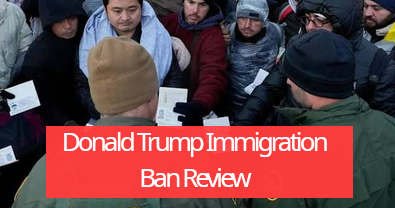
The Donald Trump immigration ban review has reached a major turning point after the U.S. Supreme Court agreed to examine the president’s policy restricting asylum access at the U.S.-Mexico border. The decision announced Friday, November 13, 2026, brings one of the administration’s most significant immigration policies before the nation’s highest court.
The case could shape how much authority a president has to restrict access to the U.S. asylum system and whether immigration officials can use expedited removal procedures without following protections established by Congress.
The Trump administration is asking the justices to overturn lower court decisions that found parts of its policy unlawful. Immigrant-rights organizations argue that the government cannot use a presidential proclamation to bypass federal immigration laws and deny people an opportunity to seek protection from persecution.
The Supreme Court has not yet decided whether the administration’s approach is legal. Its review will determine the next stage of a closely watched immigration dispute with major consequences for border enforcement and asylum law.
Supreme Court Agrees to Review Donald Trump’s Immigration Policy
The Supreme Court agreed on November 13 to hear the Trump administration’s appeal involving restrictions on asylum claims at the southern border.
The case is formally listed as Markwayne Mullin, Secretary of Homeland Security, et al. v. Refugee and Immigrant Center for Education and Legal Services, et al., docket number 26-239.
The justices granted the administration’s petition for review on two questions presented in its appeal. The case follows earlier decisions by a federal district court and the U.S. Court of Appeals for the District of Columbia Circuit that ruled against the administration.
The Supreme Court’s decision to hear the dispute does not mean it has approved the asylum restrictions. Instead, the justices will examine the legal arguments and determine whether the lower court rulings should stand.
The court is expected to hear arguments during the coming months, with a decision anticipated before the end of its current term in June 2027.
The outcome could influence how future administrations interpret presidential immigration authority and the legal protections available to people seeking asylum at U.S. borders.
What Is Trump’s Asylum Ban at the U.S.-Mexico Border?
President Donald Trump introduced the policy on January 20, 2025, the first day of his second presidential term.
His proclamation, titled “Guaranteeing the States Protection Against Invasion,” described the situation at the southern border as an invasion and directed the government to restrict entry and access to asylum for certain migrants.
The administration argued that extraordinary measures were necessary to address illegal border crossings and protect national security and public safety.
Under the policy, migrants covered by the proclamation can be denied access to the usual asylum application process. It also directs immigration officials to use procedures intended to remove certain people quickly.
The restrictions apply to people attempting to enter between official ports of entry and cover certain individuals arriving at official crossings who lack specified medical, criminal-history or other information.
The administration says the policy gives federal officials greater control over border enforcement and prevents the asylum system from being overwhelmed.
However, immigration advocates argue that the restrictions interfere with protections Congress established under federal immigration law.
The dispute is not simply about whether the United States can control its borders. It concerns whether the president can use executive authority to bypass statutory procedures for considering asylum and other protection claims.
Why Did Lower Courts Rule Against the Trump Administration?
The legal challenge began in February 2025, when immigrant-rights organizations and individuals filed a lawsuit against the administration.
The plaintiffs included the Refugee and Immigrant Center for Education and Legal Services, commonly known as RAICES, along with other immigrant-support organizations.
The lawsuit argued that the administration’s proclamation and implementation guidance violated the Immigration and Nationality Act.
On July 2, 2025, U.S. District Judge Randolph Moss ruled in favor of the challengers. The court concluded that the administration could not replace immigration procedures established by Congress with a separate removal system created through executive action.
The district court also certified a class covering people subject to the challenged policy and issued relief against the administration’s implementation of the restrictions.
The government appealed the decision.
On April 24, 2026, the U.S. Court of Appeals for the District of Columbia Circuit upheld the central ruling against the administration. The appeals court concluded that the Immigration and Nationality Act did not give the executive branch the broad removal authority it claimed.
The court found that the government could not use the president’s authority to suspend entry as a way to avoid the immigration procedures and protections established by federal law.
The administration subsequently sought review by the Supreme Court. The justices agreed to take up the case on November 13, 2026.
Importantly, the lower court rulings have not fully taken effect because the appeals process included a stay. As a result, the challenged restrictions have remained in operation while the legal dispute continues.
What Does Federal Asylum Law Say?
U.S. immigration law provides a process through which eligible people can request protection if they fear persecution in their home countries.
Asylum may be available to people who establish that they face persecution, or have a well-founded fear of persecution, because of their race, religion, nationality, political opinion or membership in a particular social group.
The law also requires immigration authorities to follow specific procedures when evaluating protection claims.
One important part of that process is the credible fear screening interview. It helps determine whether a person may have a qualifying fear of persecution or torture if returned to their country.
A positive screening result does not automatically guarantee asylum. It generally allows a claim to move forward for further consideration under the applicable legal process.
The Trump administration argues that it can deny asylum access to migrants covered by the proclamation and that it should not be required to accept applications when officials believe those claims will ultimately be rejected.
Immigration advocates counter that the president cannot eliminate the opportunity to apply for protection through a unilateral executive order.
This disagreement over statutory authority is central to the Supreme Court case.
Trump Administration Defends the Border Restrictions
The administration has described the asylum restrictions as an important part of its broader immigration enforcement strategy.
James Percival, general counsel for the Department of Homeland Security, defended the policy after the Supreme Court agreed to hear the case.
He described the executive order as a major factor in the administration’s border enforcement efforts and said officials looked forward to presenting their arguments before the justices.
The government has argued that the policy has helped reduce unlawful crossings and prevent the immigration system from being overwhelmed by lengthy asylum proceedings.
Federal officials have also argued that the president has authority under immigration law to suspend the entry of certain noncitizens when their entry is considered detrimental to U.S. interests.
However, the legal challenge focuses on the limits of that authority and whether it permits the administration to bypass procedures Congress established for removing people already in the United States.
The administration is asking the Supreme Court to reverse the lower court decisions and preserve its ability to enforce the challenged restrictions.
Immigrant-Rights Groups Say Asylum Protections Must Remain Available
Immigrant-rights organizations opposing the policy argue that people fleeing violence and persecution must have a meaningful opportunity to request protection.
The American Civil Liberties Union and other legal organizations have challenged the administration’s approach, saying the president cannot independently remove statutory protections established by Congress.
Lee Gelernt, deputy director of the ACLU’s Immigrants’ Rights Project and lead counsel in the challenge, said the president does not have the authority to unilaterally override protections Congress has provided to people fleeing danger.
The plaintiffs argue that migrants covered by the policy have been denied required screening opportunities before facing removal.
They also contend that the administration’s approach creates a separate immigration process that conflicts with federal law.
The organizations say the consequences could be particularly serious for people escaping persecution, political violence or threats to their safety.
Their legal position is that the government can enforce immigration laws while still following the procedures Congress has established for asylum and other forms of protection.
How Could the Supreme Court Decision Affect U.S. Immigration Policy?
The Supreme Court’s ruling could have significant consequences for presidential immigration authority.
If the justices side with the Trump administration, the decision could strengthen the government’s ability to use presidential proclamations and expedited procedures to restrict access to asylum.
It could also influence how future presidents use executive authority to manage immigration emergencies and border enforcement.
If the court sides with the immigrant-rights groups, the ruling could reinforce the requirement that immigration officials follow procedures established by Congress before removing people who may qualify for protection.
Such a decision could also limit the government’s ability to create alternative removal systems through executive action.
The outcome may affect asylum seekers, immigration lawyers, border officials and organizations providing legal assistance to migrants.
However, the Supreme Court’s decision will be shaped by the specific legal questions presented in this case. It should not automatically be interpreted as resolving every dispute involving presidential authority over border security or asylum policy.
Other Major Trump Immigration Cases Before the Supreme Court
The asylum dispute is part of a wider series of immigration cases involving the Trump administration.
The justices are also expected to consider the legality of deporting migrants to countries other than their countries of origin.
That separate dispute raises questions about whether people facing removal must receive an opportunity to explain the dangers they could face in a third country.
Another major case involves the administration’s mandatory immigration detention policy. The legal dispute concerns whether certain immigrants can be detained during deportation proceedings without access to bond hearings.
The court’s decisions in these cases could shape immigration enforcement, detention procedures and deportation policy for years.
The justices have already issued several important immigration rulings during Trump’s second term. Their decisions have sometimes supported administration policies and, in other cases, limited executive authority.
The asylum case will provide another opportunity for the court to clarify the relationship between presidential power and immigration laws passed by Congress.
What Happens Next in the Donald Trump Immigration Ban Review?
The Supreme Court’s November 13 decision moves the asylum dispute toward a full review by the justices.
The administration and the immigrant-rights challengers will present their legal arguments before the court. The justices will then consider the relevant immigration statutes, the president’s proclamation and the lower courts’ decisions.
Oral arguments are expected during the coming months. A final ruling is anticipated by the end of the court’s current term in June 2027.
Until the Supreme Court issues its decision, the legal status of the challenged restrictions remains subject to the existing court orders and ongoing litigation.
For now, the central question remains whether the president can use executive authority to restrict asylum access and implement removal procedures that the lower courts found inconsistent with federal immigration law.
Frequently Asked Questions
Why is the Supreme Court reviewing Trump’s immigration ban?
The Supreme Court agreed to review the Trump administration’s appeal after lower courts ruled that the administration exceeded its authority by using a presidential proclamation and related guidance to bypass federal immigration procedures.
When did Donald Trump introduce the asylum restrictions?
Trump introduced the proclamation on January 20, 2025, the first day of his second presidential term.
Does the Supreme Court support Trump’s asylum ban?
The court has not ruled on whether the policy is lawful. It has only agreed to hear the administration’s appeal.
Can migrants still apply for asylum at the U.S.-Mexico border?
The challenged restrictions remain in effect while litigation continues, subject to applicable court orders and other legal protections. The policy restricts access for people covered by the proclamation.
When will the Supreme Court decide the asylum case?
The court is expected to hear arguments during the coming months and issue a decision by the end of its current term, which typically concludes in June 2027.
What is the main legal question in the case?
The dispute concerns whether the administration can use presidential entry-suspension authority to bypass immigration removal procedures and protections established by Congress.
Final Takeaway
The Donald Trump immigration ban review places one of the administration’s most consequential border policies before the Supreme Court. The justices must examine the limits of presidential immigration authority and whether federal law allows the government to restrict asylum access through the challenged procedures.
The ruling could influence the future of U.S. asylum policy, border enforcement and the balance of power between the president and Congress. Until the court delivers its decision, the legal battle over Trump’s asylum restrictions remains unresolved.