
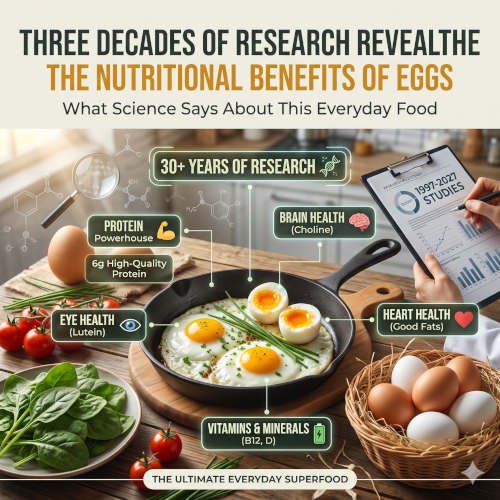
Eggs have remained a popular food across generations because they are affordable, easy to prepare and suitable for countless recipes. Now, three decades of scientific research are helping explain why eggs have earned an important place in diets around the world.
The Institute of Egg Studies (IEH) in Spain is marking 30 years of work promoting research and sharing scientific knowledge about eggs. Established in 1996, the institute has supported research into nutrition, human health, food safety, animal welfare, sustainability and food technology.
The anniversary highlights how scientific evidence has changed public understanding of eggs. Researchers have examined their protein quality, nutritional composition, food preparation properties and safe handling practices. Their findings have also challenged several long-standing beliefs about egg consumption.
The central message is that eggs offer a combination of nutrients and practical food qualities. However, their benefits should be understood as part of a varied and balanced diet rather than as a reason to rely on one food alone.
Why Eggs Remain an Important Part of Everyday Nutrition
Eggs are widely consumed because they provide several nutrients in a relatively compact serving. Their protein contains essential amino acids, making eggs a useful source of high-quality protein for people who include animal products in their diets.
They also contain vitamins, minerals and other important nutritional components. The yolk, in particular, contributes a substantial share of the egg’s vitamins and minerals. This is one reason nutrition research has increasingly focused on the whole egg rather than treating the white as the only valuable part.
Eggs are also relatively easy to include in different meals. They can be boiled, scrambled, poached, baked or used as ingredients in dishes ranging from breakfast foods to desserts. Their accessibility and versatility help explain their popularity among households and food businesses.
The nutritional value of eggs is not limited to their protein content. Their composition makes them a source of several nutrients that contribute to normal body functions. The precise nutritional contribution depends on serving size, preparation and the overall diet.
What Makes Egg Protein Valuable?
Protein plays an essential role in building and maintaining body tissues. It also supports normal muscle function and contributes to several biological processes.
Egg protein is considered high quality because it provides all nine essential amino acids. These are amino acids that the human body cannot produce in sufficient amounts and must obtain through food.
This makes eggs a practical protein option for people looking to include different protein sources in their meals. They can be eaten on their own or combined with vegetables, whole grains, dairy products and other foods.
However, a balanced diet should include a range of protein sources. Eggs can contribute to daily protein intake, but individual nutritional needs vary according to age, activity level and health circumstances.
Why the Egg Yolk Deserves More Attention
One of the important changes in public understanding concerns the nutritional value of the egg yolk.
For many years, some consumers viewed egg whites as the healthier option and avoided yolks because of concerns about dietary cholesterol. Yet the yolk contains many of the egg’s vitamins, minerals and other nutrients.
The white is primarily known for its protein content, while the yolk contributes nutrients such as vitamin B12, vitamin D, selenium and choline. These nutrients have different roles in the body, including supporting normal metabolism and nervous system function.
This does not mean everyone should consume unlimited egg yolks. People with specific medical conditions or dietary restrictions may need individualized advice from a healthcare professional. But the idea that egg whites are automatically healthier than whole eggs does not reflect the full nutritional picture.
The wider lesson from research is that the nutritional value of a food should be assessed by considering its complete composition.
Does Brown or White Eggshell Color Affect Nutrition?
Another common misconception concerns eggshell color.
Some consumers believe brown eggs are healthier or more nutritious than white eggs. However, shell color does not determine the nutritional value of an egg.
The color generally reflects the breed of the hen that laid it. Both brown and white eggs can provide similar nutritional benefits when produced and handled under comparable conditions.
Consumers should therefore focus on freshness, quality, safe storage and preparation rather than choosing eggs based only on shell color.
Cooking Eggs Can Improve Digestibility and Food Safety
Research has also helped clarify why cooking eggs properly matters.
Raw eggs are not necessarily easier for the body to use than cooked eggs. Cooking changes the structure of egg proteins, making them easier to digest. It also reduces the risk of foodborne illness caused by harmful microorganisms, including Salmonella.
Boiling, scrambling, poaching and other cooking methods can all be suitable ways to prepare eggs. The important consideration is to follow safe food-handling practices and ensure eggs are cooked appropriately.
Consumers should also pay attention to storage. Eggs need to be handled according to local food-safety recommendations, kept at the appropriate temperature and protected from contamination. Cracked or dirty eggs require particular care.
These precautions are important for everyone, especially young children, older adults, pregnant people and individuals with weakened immune systems.
The Institute of Egg Studies has included food quality, preservation and cooking practices among the areas of knowledge it promotes. This work helps connect scientific findings with everyday decisions in kitchens and food businesses.
Three Decades of Scientific Research in Spain
Since its creation in 1996, the Institute of Egg Studies has worked to expand scientific knowledge about eggs and communicate research findings to consumers, professionals and the food sector.
Its activities cover several connected areas. These include human nutrition and health, food quality and safety, animal production, animal health, animal welfare, sustainability and food technology.
This broad approach recognizes that the egg’s role in the food system involves more than its nutritional composition. Production methods, animal health, environmental considerations, processing and safe consumption also influence the quality of the final product.
Mar Fernández Poza, director of the Institute of Egg Studies, said scientific progress has helped people better understand the qualities of eggs. She highlighted the institute’s work over the past 30 years to communicate research findings clearly and rigorously.
The goal is to make scientific knowledge useful to both consumers and professionals while encouraging a better understanding of the food.
Research Awards Support Spanish Scientists
One of the institute’s main initiatives has been its Research Award, which was first introduced in 1997.
The award was created to support Spanish researchers and research centers working on projects connected with eggs and egg products. Over the years, it has recognized work in nutrition, health, food safety, animal production, animal welfare, sustainability and food technology.
The initiative has helped give research teams greater visibility and encouraged collaboration between scientific institutions and the food sector.
Elena Molina, a scientific researcher at the Spanish National Research Council (CSIC), said the awards have helped recognize scientific excellence and support research teams. She also described how the recognition contributed to strengthening collaborations with clinical researchers and developing a continuing research program.
The institute’s approach is intended to ensure that scientific discoveries do not remain limited to academic publications. Research can also help address practical questions facing consumers, food producers and the wider egg industry.
Avian Influenza Research Highlights the Role of Digital Tools
Animal health has become another important area of research connected with egg production.
In 2024, Irene Iglesias and her team at the Animal Health Research Centre of INIA-CSIC received recognition for research using epidemiology, data and digital tools to anticipate the risk of avian influenza.
Avian influenza is a major concern for poultry health and the wider poultry sector. Monitoring disease risks and identifying potential outbreaks are important parts of protecting bird populations and maintaining food production systems.
Research based on data and digital monitoring can help scientists understand how disease risks develop and where additional attention may be needed.
Iglesias has highlighted the importance of connecting researchers with the practical needs of the egg sector. Collaboration can help turn real-world challenges into research questions and make scientific results more useful for industry professionals.
This work demonstrates that research into eggs extends beyond human nutrition. It also includes the health of animals, the sustainability of production and the safety of food supplies.
How Scientific Research Is Changing Public Understanding of Eggs
The last 30 years have produced a broader understanding of eggs and their place in modern diets.
Researchers have helped clarify the nutritional contribution of the yolk, the quality of egg protein and the importance of proper cooking and storage. They have also examined the functional properties that make eggs useful in food preparation.
Eggs can help bind ingredients, create stable emulsions, form foams and provide structure to baked products. These properties explain why eggs are widely used in sauces, cakes, desserts and many other foods.
For consumers, the findings offer a more balanced way to think about eggs. Rather than relying on older assumptions, people can consider the whole food, its nutritional content and how it fits into their individual dietary needs.
The research also reinforces the importance of clear food information. Scientific findings should be communicated carefully, without exaggerating benefits or suggesting that one ingredient can replace a balanced eating pattern.
What the Next Chapter of Egg Research Could Focus On
The Institute of Egg Studies’ 30-year milestone also highlights the importance of continuing research.
Future work can build on existing knowledge about nutrition, food safety, animal health, production methods and sustainability. Scientists and industry professionals will continue to face questions about how to improve food quality while responding to changing consumer expectations and environmental challenges.
Digital monitoring, data analysis and collaboration between research institutions and producers may play an increasingly important role.
The institute’s history shows how long-term research initiatives can help develop knowledge across multiple scientific disciplines. Its awards and educational activities also provide opportunities for new researchers to contribute to the field.
For consumers, the practical message remains straightforward: eggs can be a nutritious and versatile part of a balanced diet when selected, stored and prepared safely.
The 30-year anniversary is therefore not simply a celebration of an everyday food. It also marks three decades of research aimed at improving public understanding of nutrition, food quality and the wider systems involved in egg production.
Frequently Asked Questions About Egg Nutrition
Are eggs a good source of protein?
Yes. Eggs provide high-quality protein containing all nine essential amino acids. They can contribute to daily protein intake as part of a varied diet.
Is the egg yolk healthier than the egg white?
Neither part is automatically healthier in every situation. The white provides much of the egg’s protein, while the yolk contains many vitamins, minerals and other nutrients. Eating the whole egg provides nutrients from both parts.
Are brown eggs more nutritious than white eggs?
No. Shell color is generally related to the breed of the hen and does not determine the egg’s nutritional value.
Are cooked eggs easier to digest than raw eggs?
Cooking changes egg proteins and generally makes them easier to digest. It also reduces the risk of foodborne illness associated with raw or undercooked eggs.
When was the Institute of Egg Studies established?
The Institute of Egg Studies was established in Spain in 1996. It promotes research and scientific communication about egg nutrition, food safety, animal health, sustainability and food technology.
What is the Institute of Egg Studies Research Award?
The award was launched in 1997 to support and recognize Spanish researchers and institutions working on scientific projects involving eggs and egg products.
Conclusion
Three decades of research have helped transform public understanding of eggs. Scientists have highlighted the importance of high-quality protein, the nutritional contribution of the yolk, the benefits of proper cooking and the need for safe food handling.
The work of Spain’s Institute of Egg Studies shows how continued scientific investigation can improve knowledge about an everyday food. As research moves forward, eggs remain an accessible and versatile option that can contribute to a varied and balanced diet.